
Stewards of seven Chelsea streets since 1979.
Stewards of seven Chelsea streets since 1979.
The Astell Street et al Residents Association is a community organisation established to protect members' homes and preserve and enhance the amenities of our neighbourhood in Chelsea.
Regulated by our constitution (adopted June 2009), the Association is run by a committee of up to 12 local residents elected at our Annual General Meeting.
Our geographical area of primary concern includes:
The Association endeavours to protect members' homes and preserve and enhance the amenities of the area by:
Committee Activities: The Committee is responsible for the day-to-day work of the Association and has the power to take any action on behalf of the Association to further these objects. We publish an annual report (newsletter) of our activities each year.
Membership is open to all owners, businesses and residents in our area.
We value diversity and work for good relations with all members of the community, without discrimination on the grounds of age, disability, race, faith, gender or sexual orientation.
The annual subscription is £10 per year, payable each calendar year by all members. The subscription amount is determined at the Annual General Meeting.
Please contact your bank to set up an annual standing order for your £10 membership subscription — or more if you would like to add a voluntary donation — using the Association’s details below.
| Account name | Astell Street Et Al Residents Association |
|---|---|
| Bank | Barclays Bank |
| Account number | 60132381 |
| Sort code | 20-80-14 |
With thanks for your support.
The AGM is open to all members of the Association.
Agenda includes:
Only members may vote and include items on the agenda.
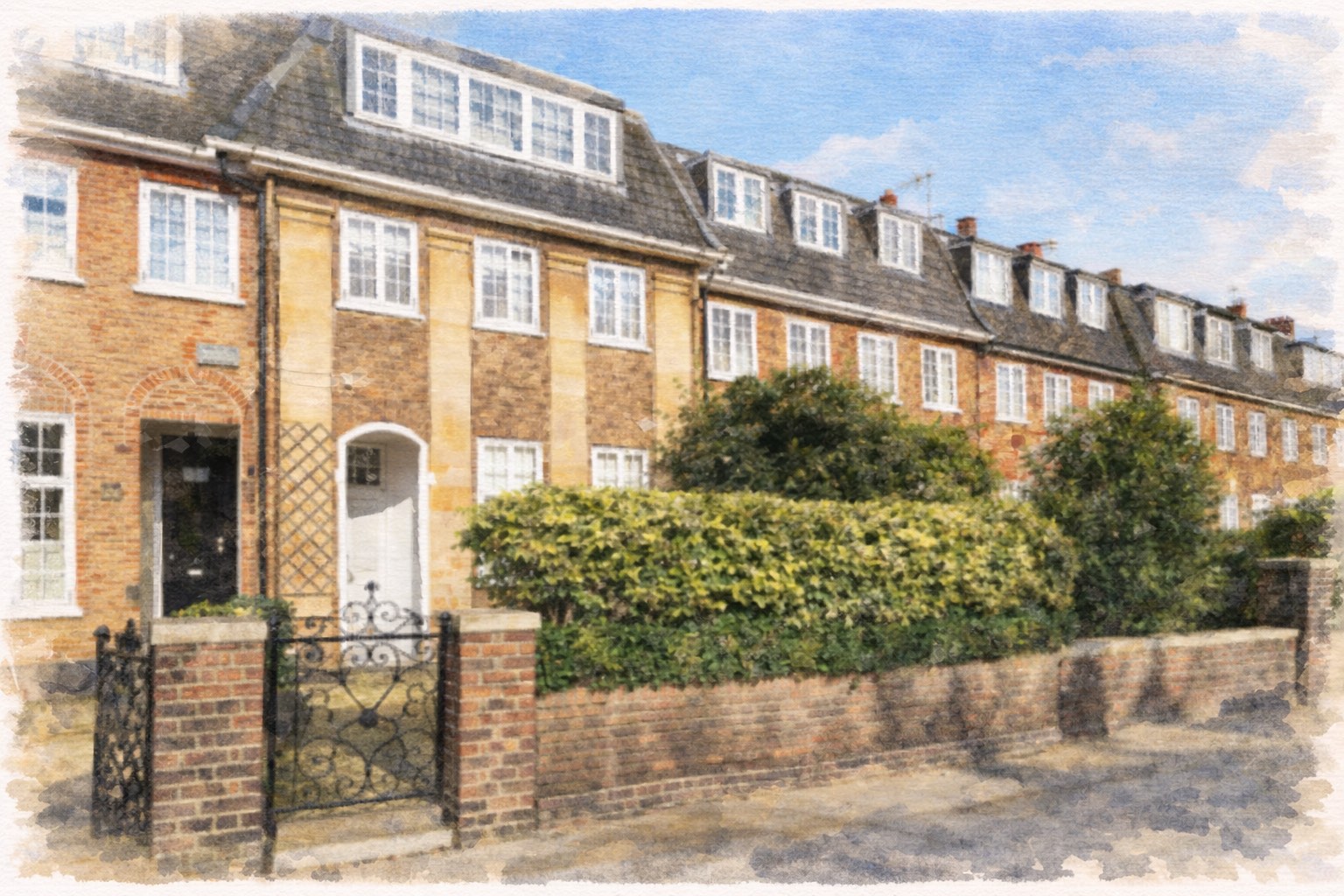
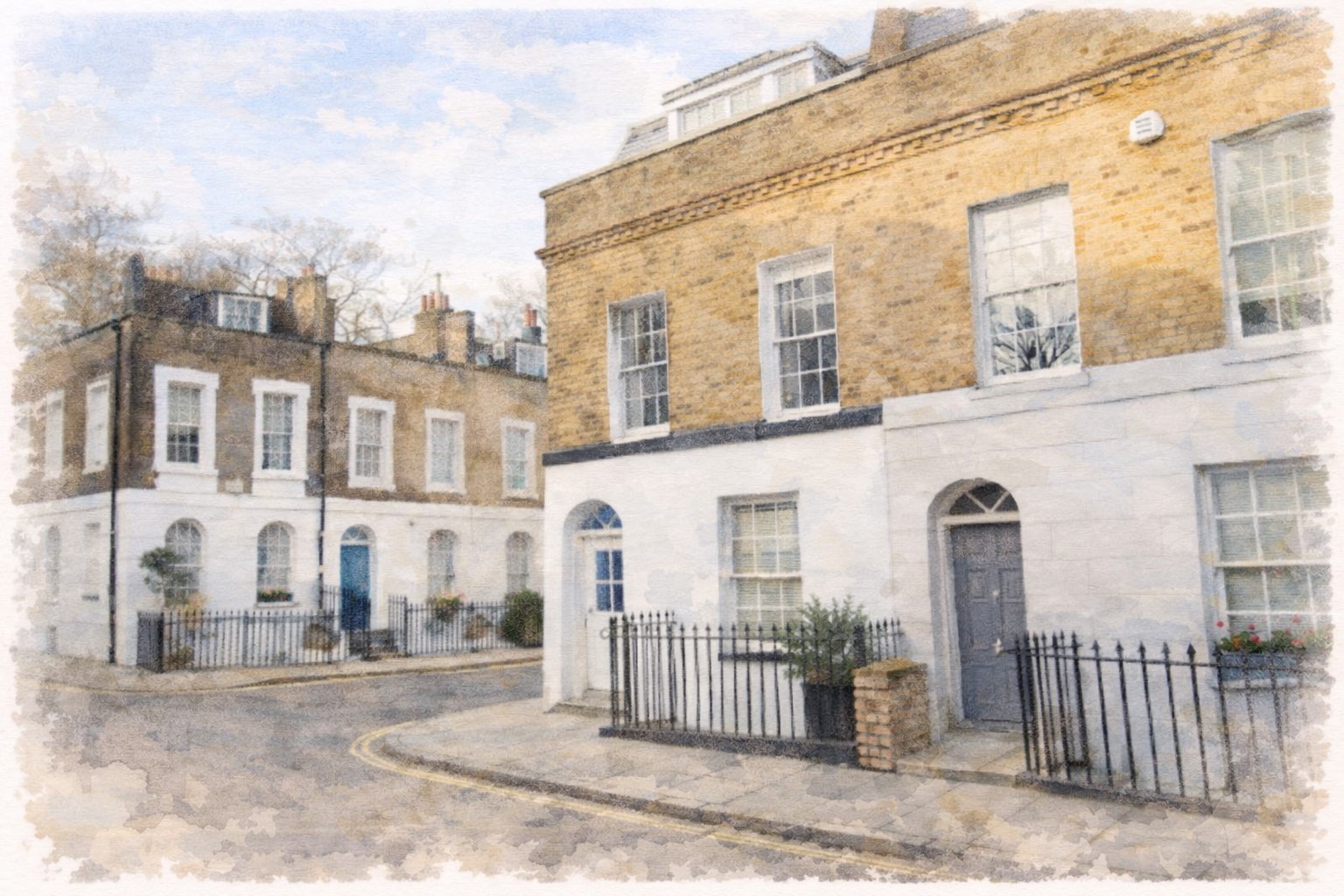
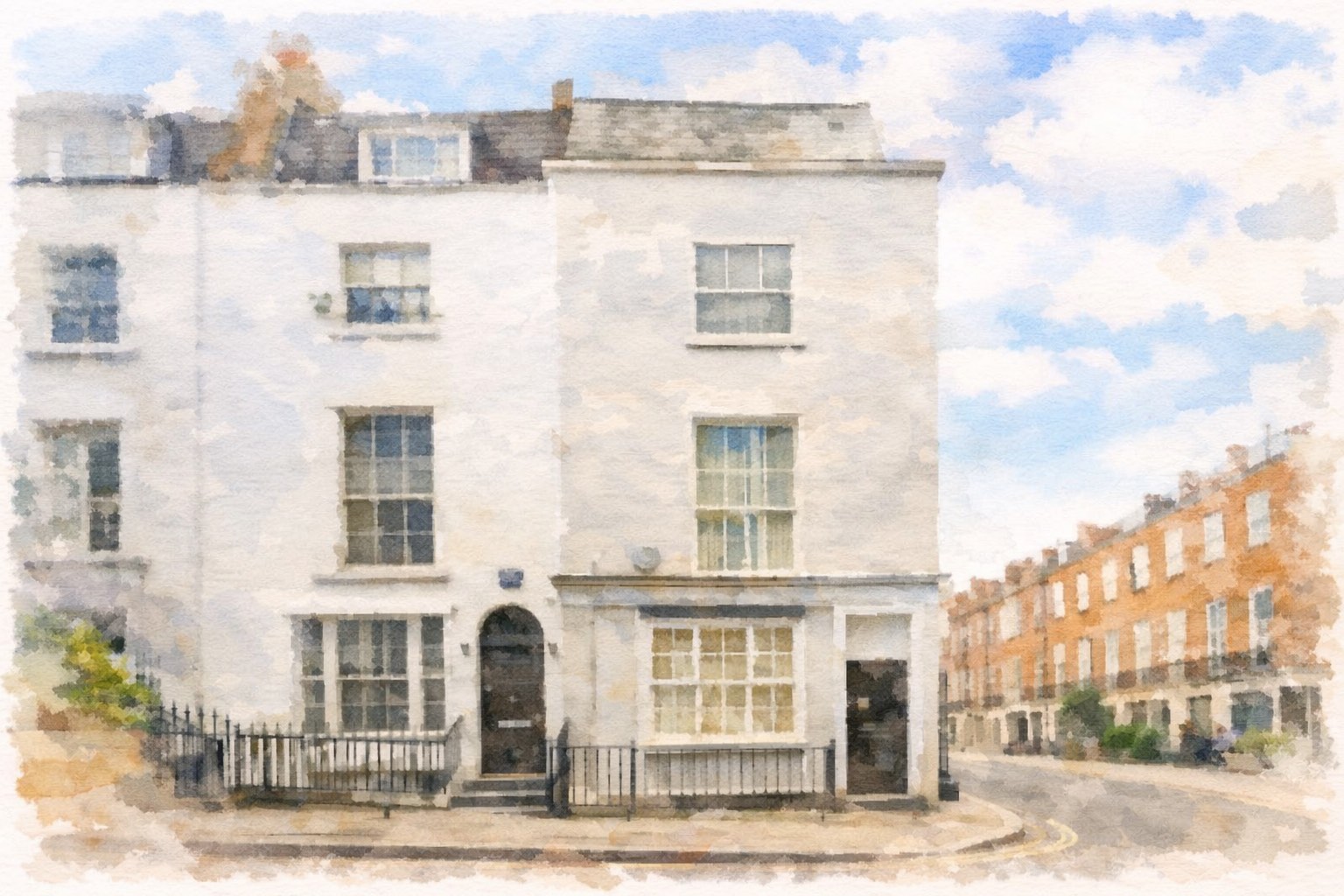
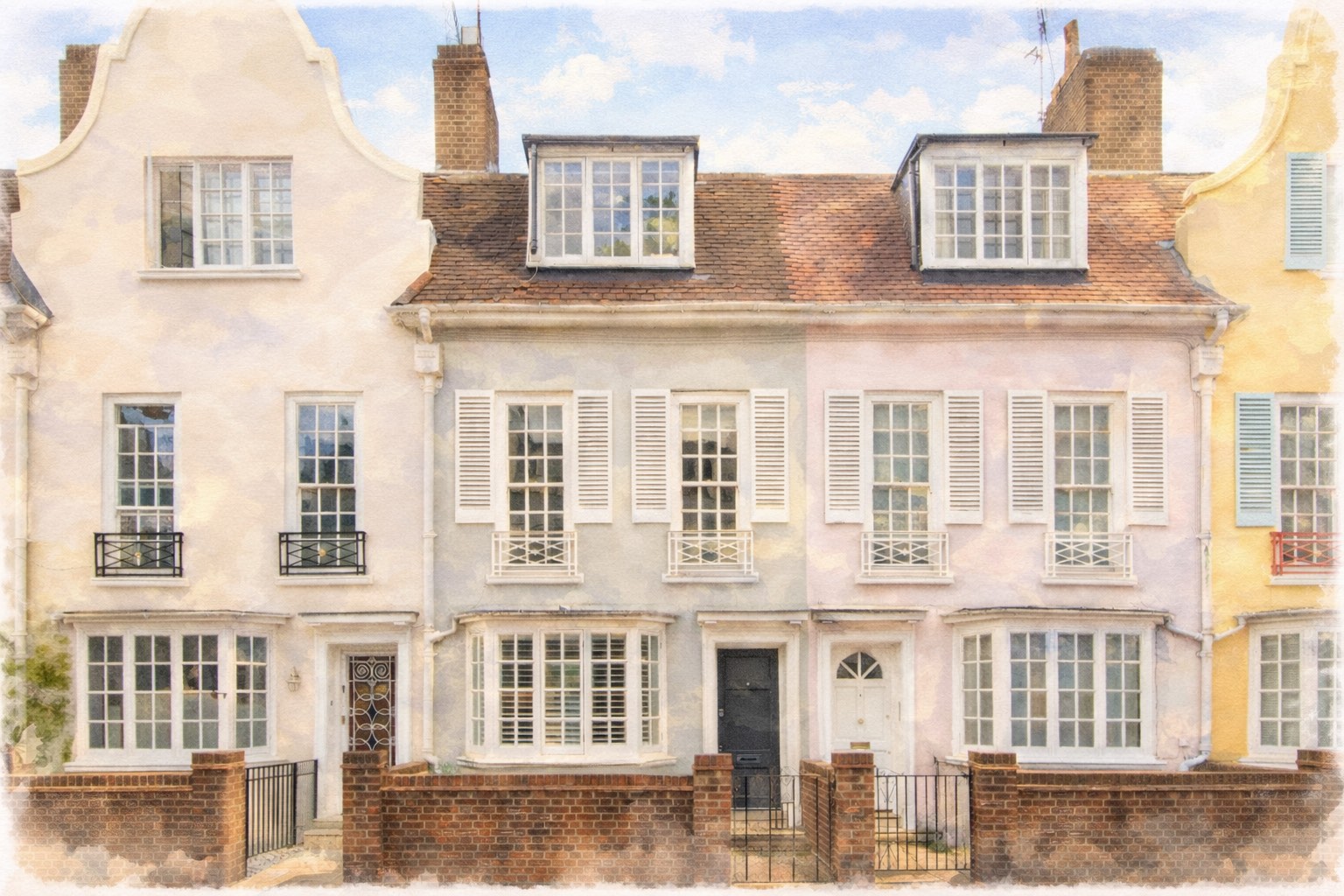
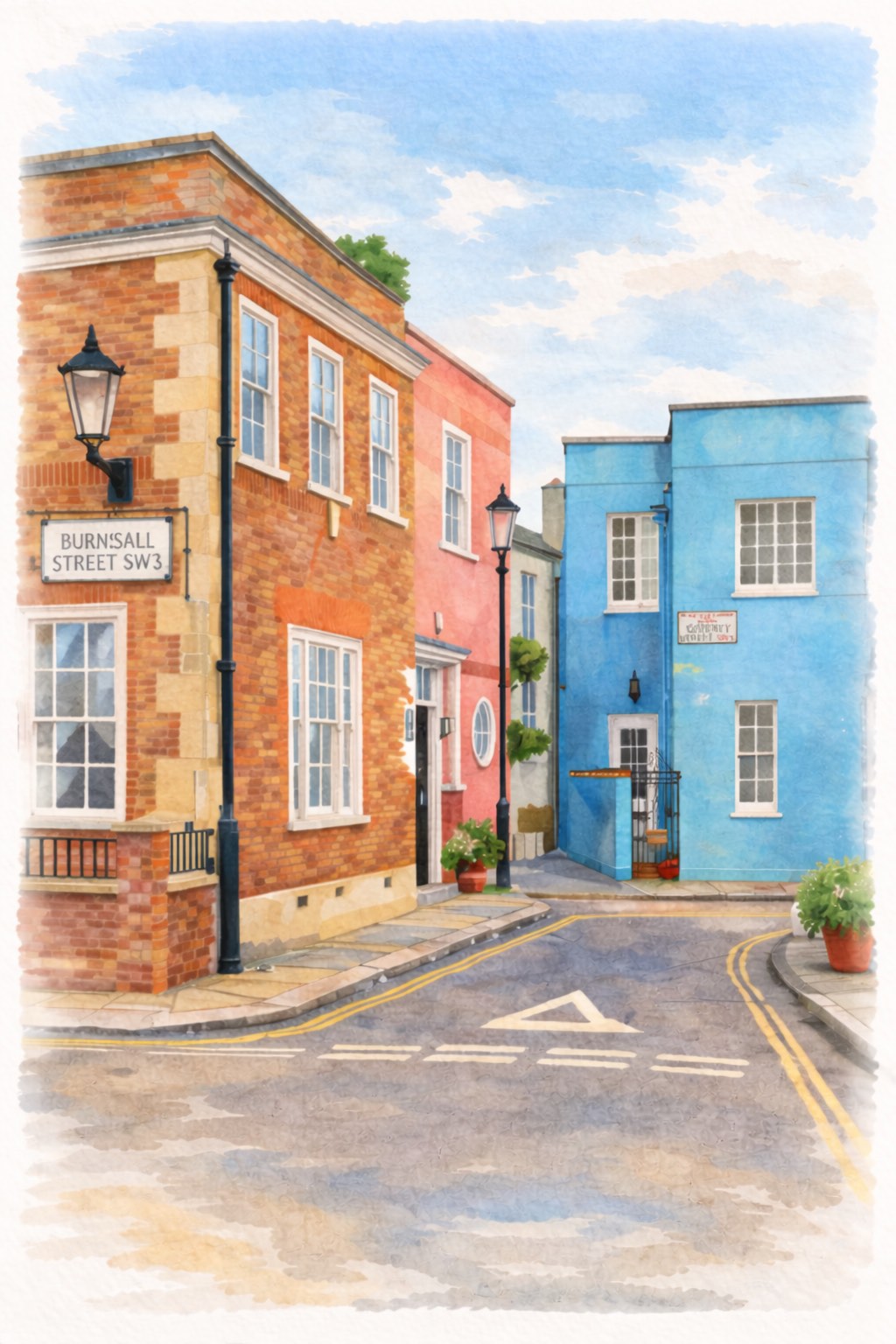
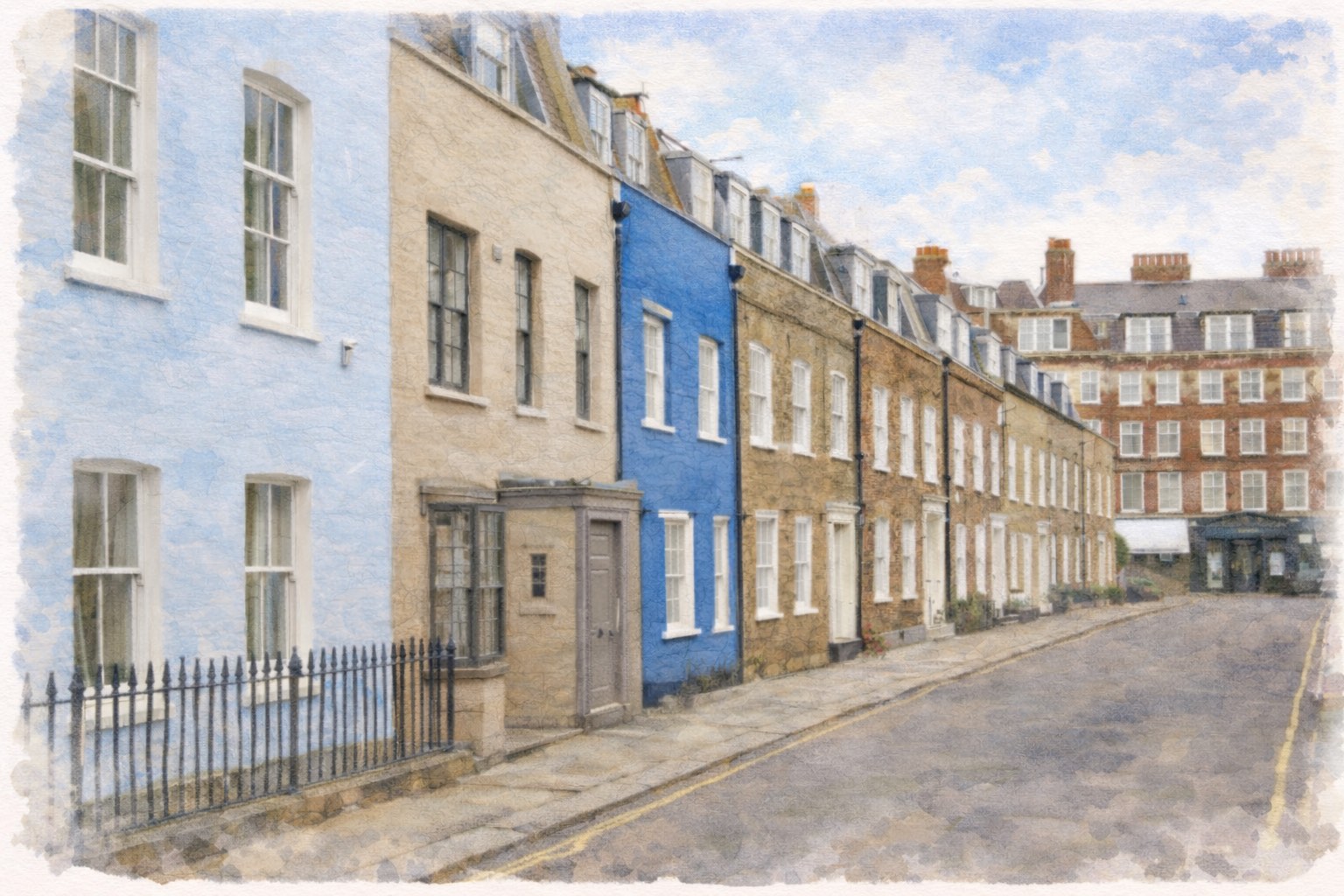
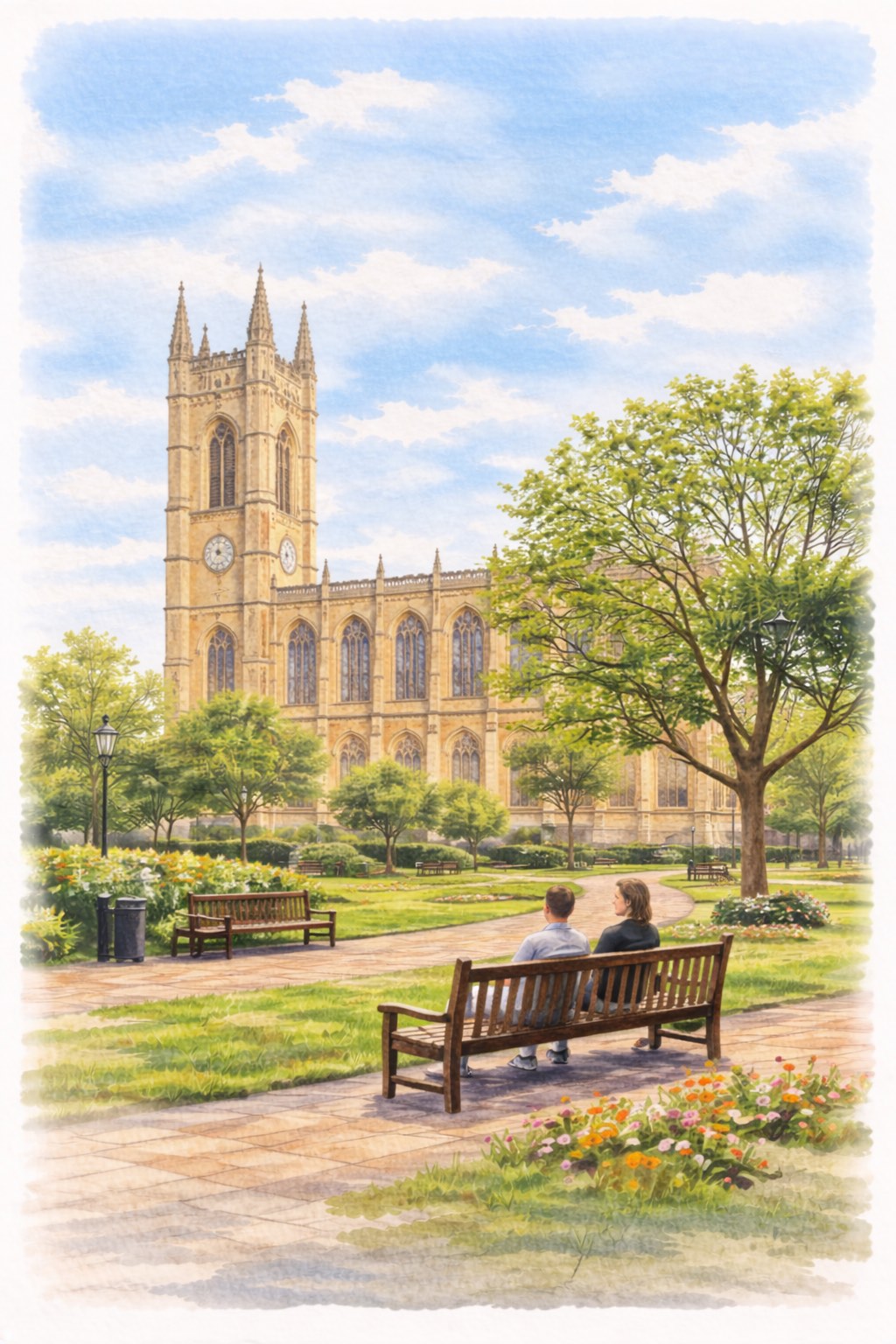
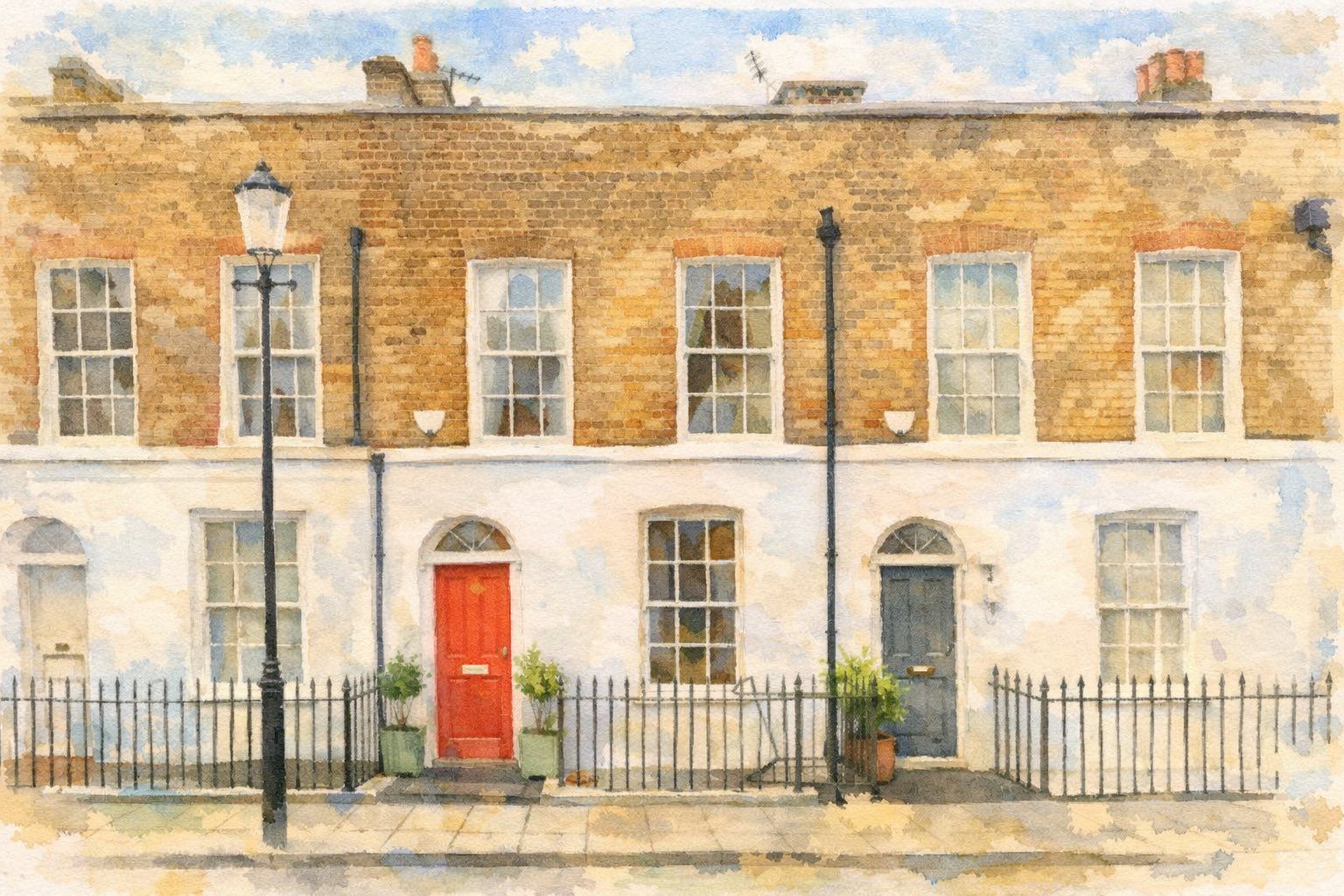
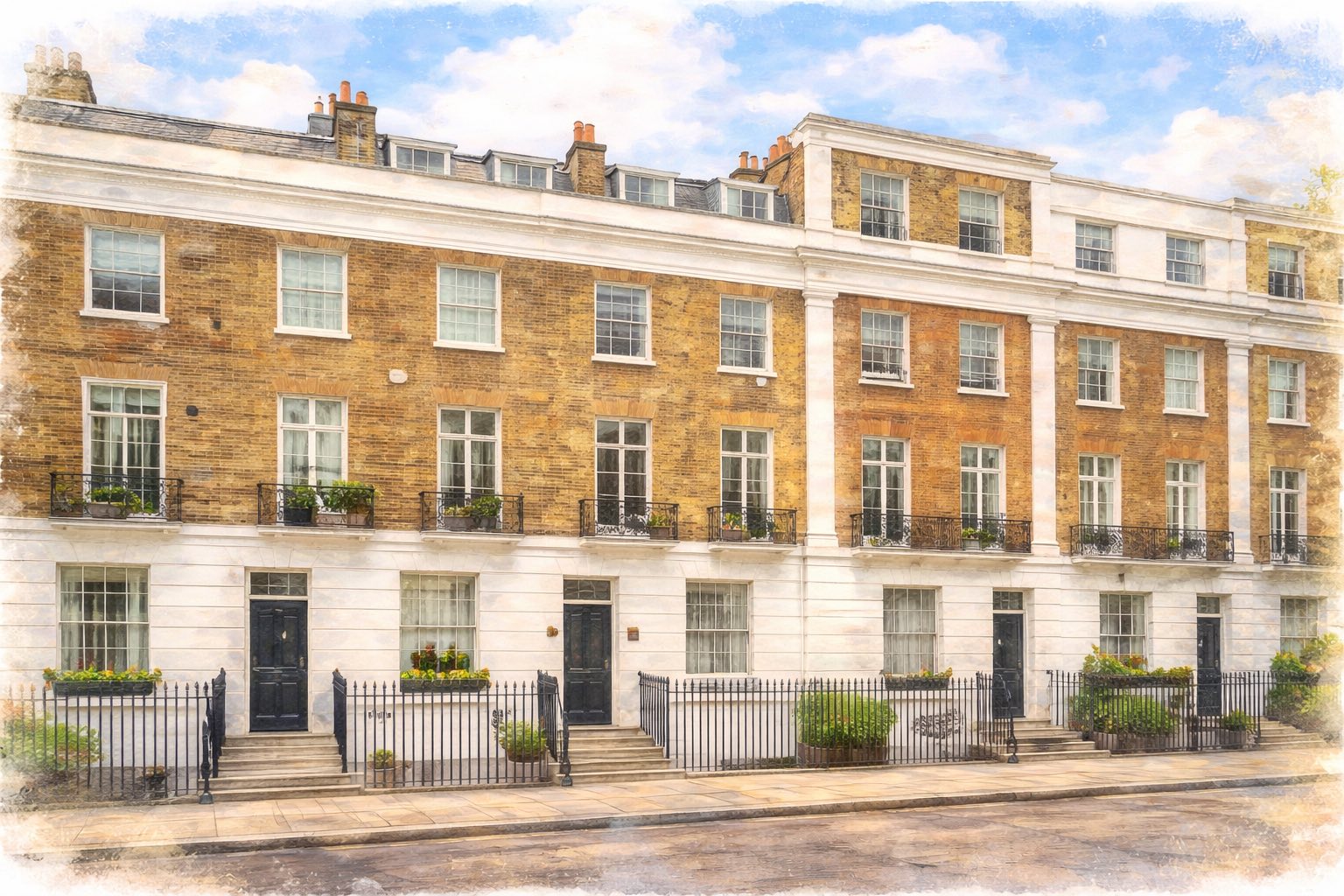
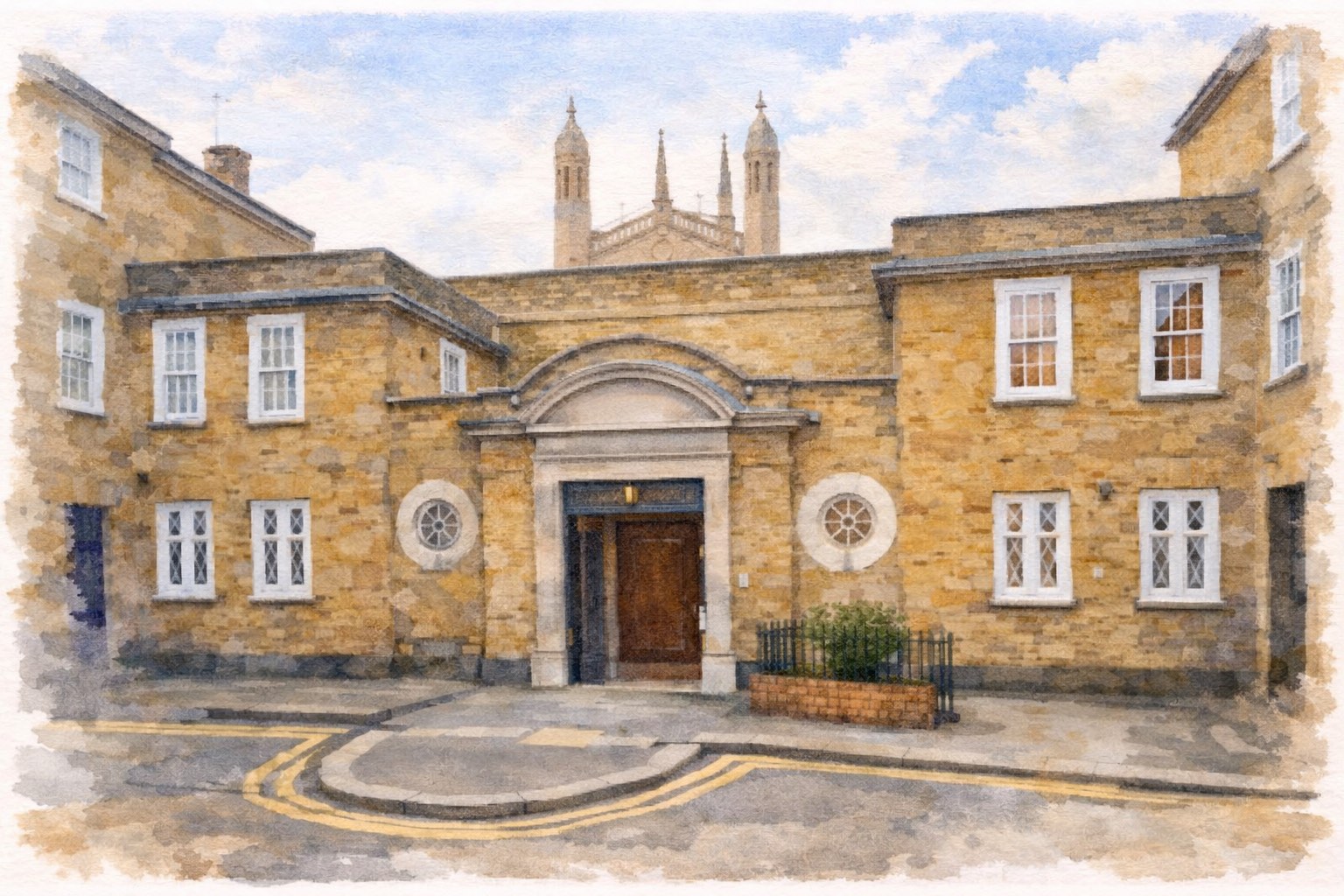
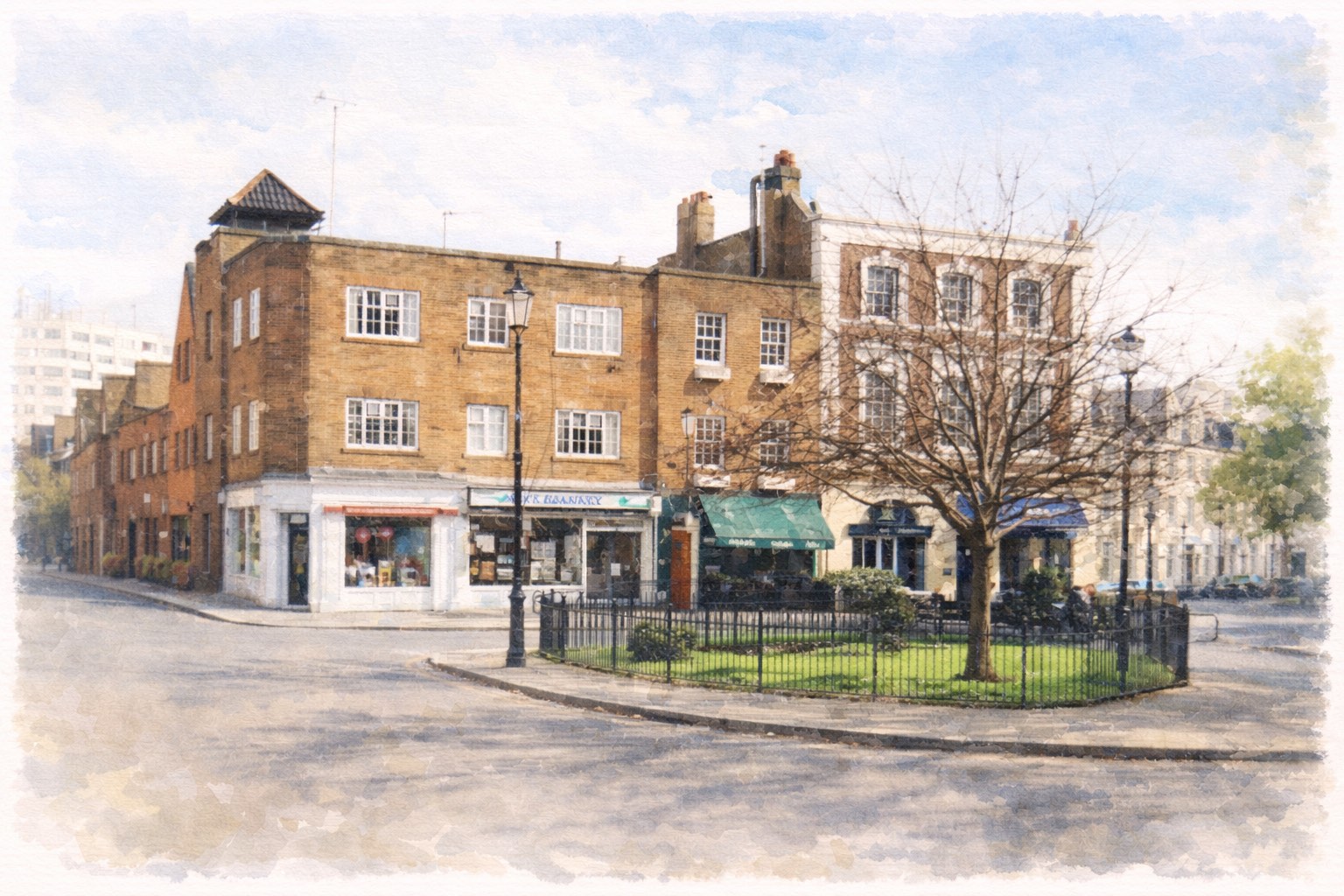
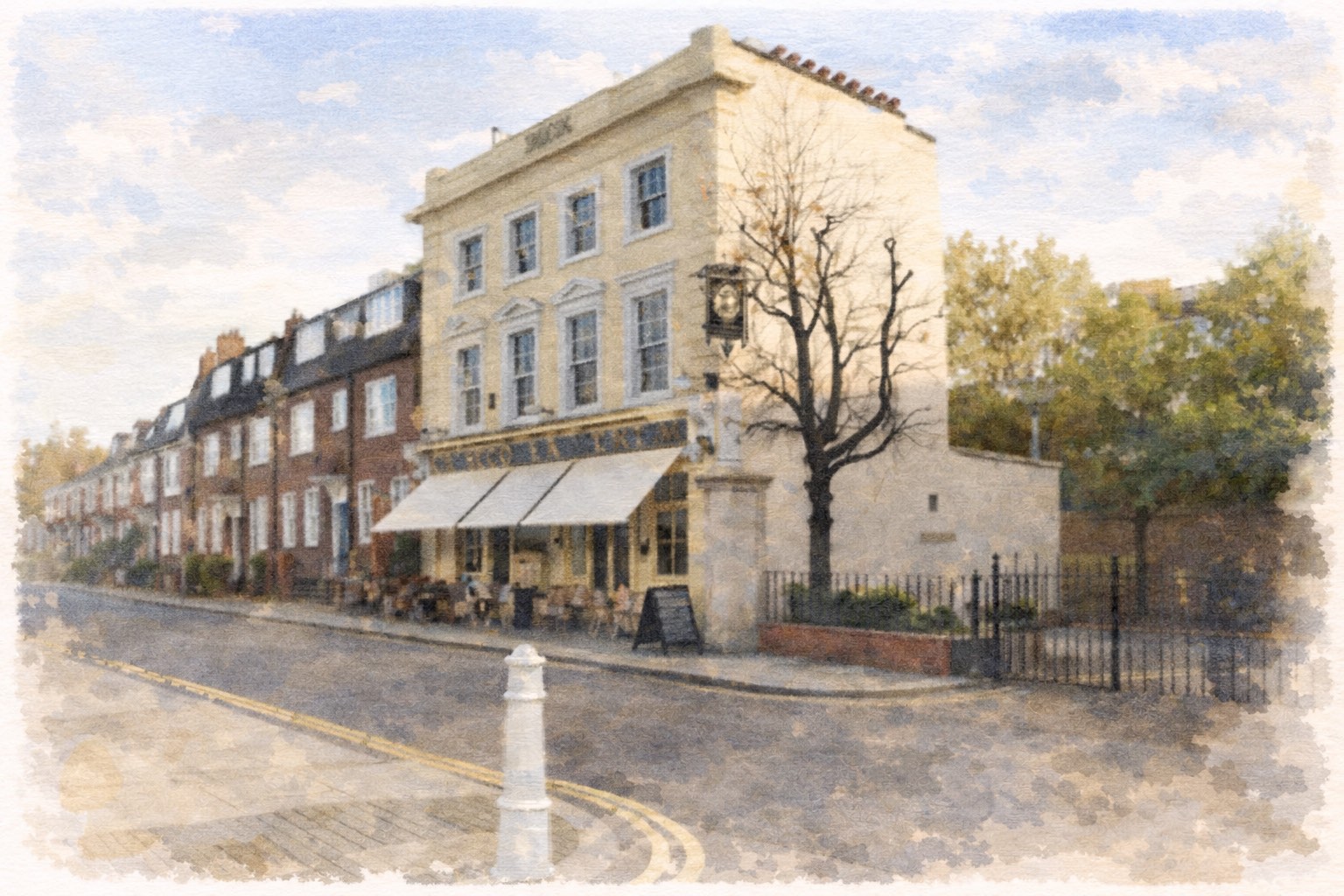
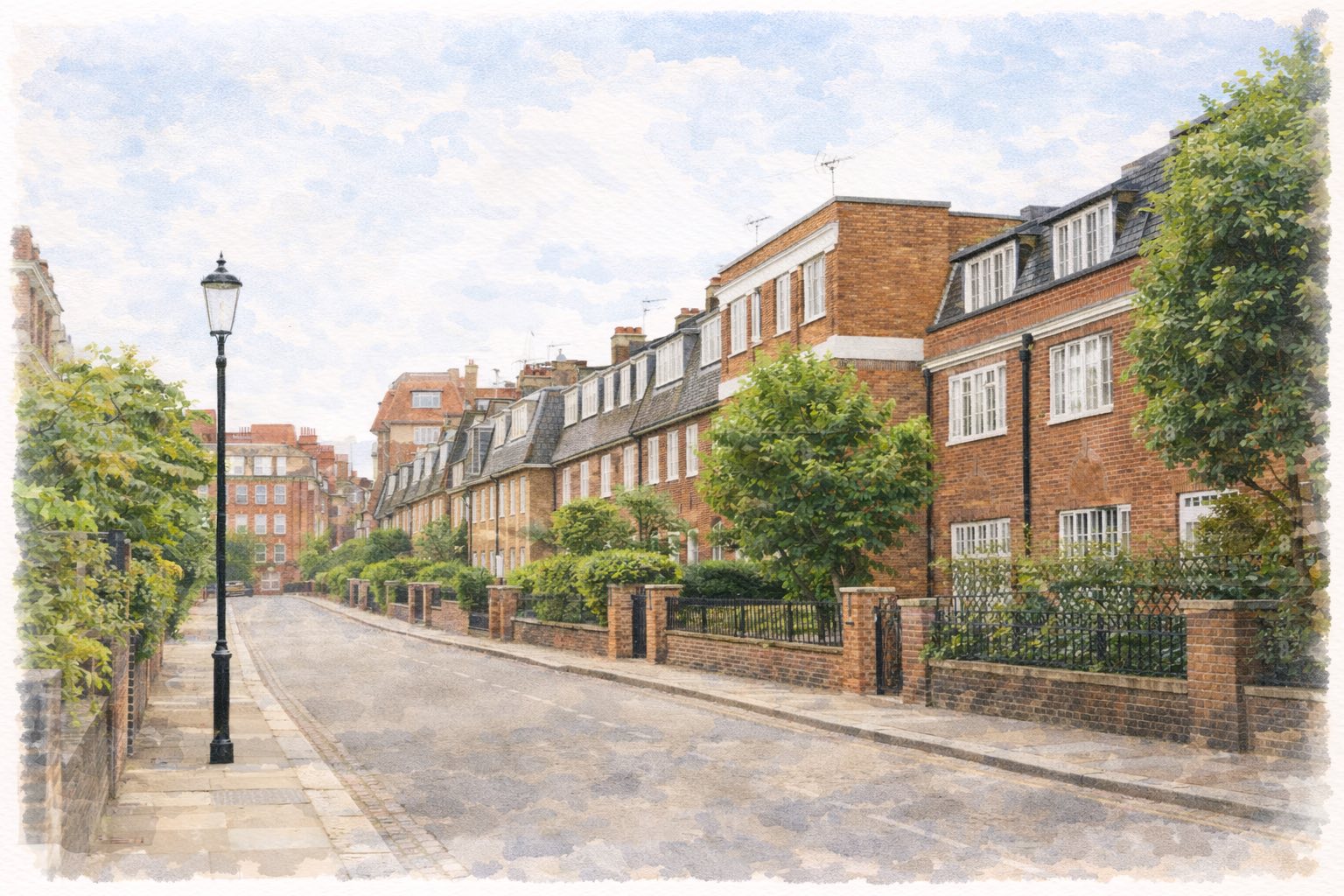
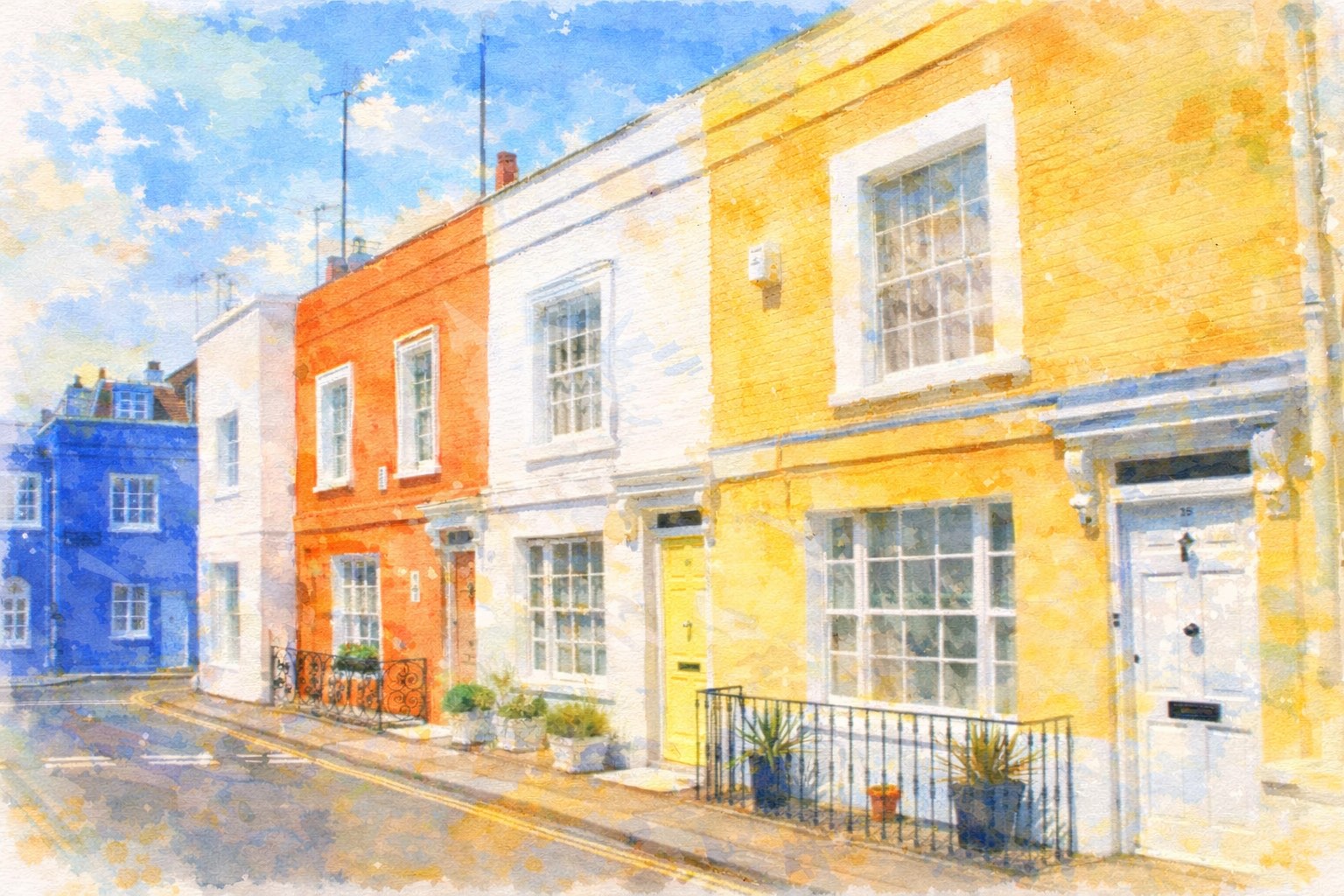
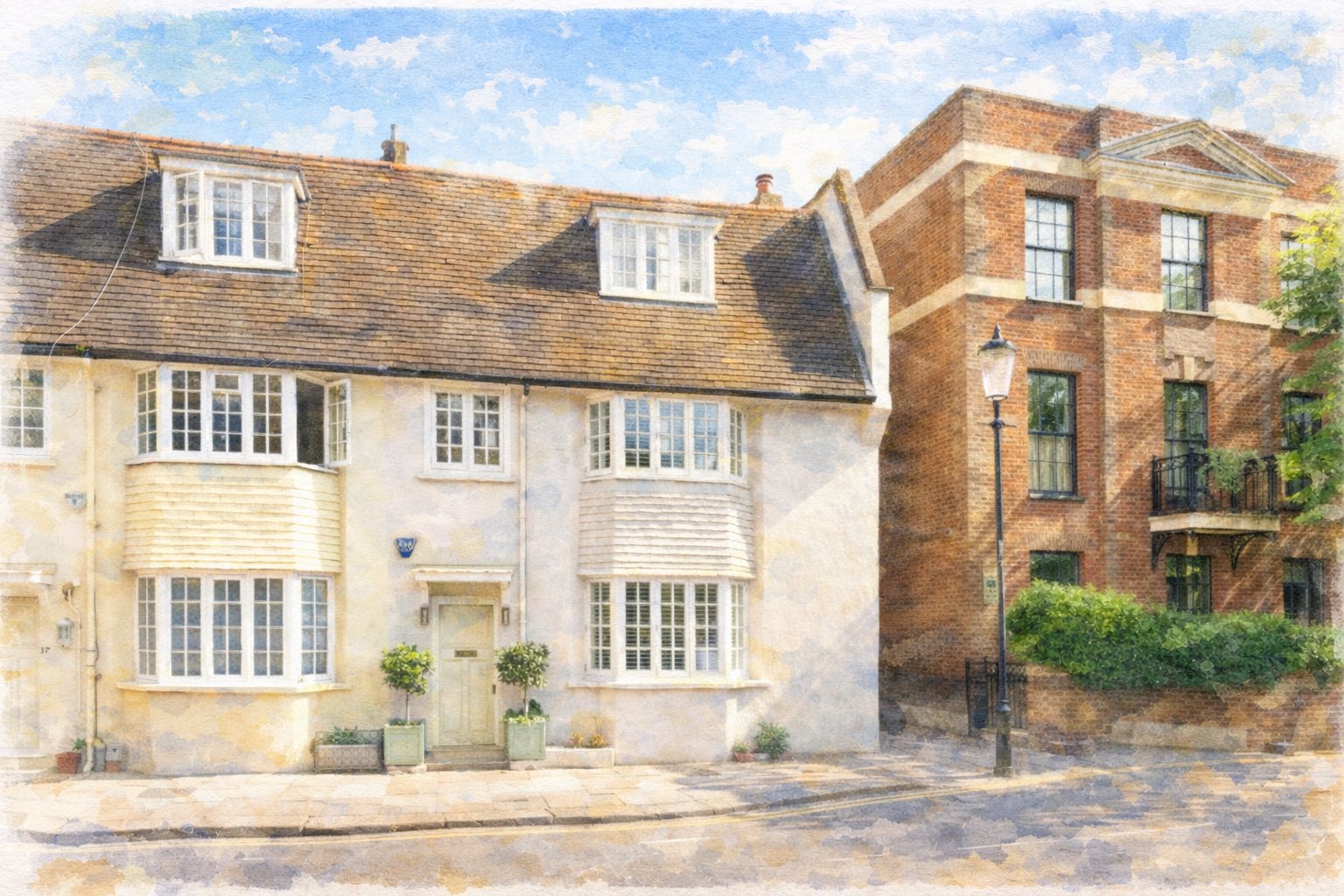
Our Association covers seven residential streets in Chelsea, SW3 — Astell Street, Britten Street, Burnsall Street, Danube Street, Godfrey Street, St Luke’s Street and part of Cale Street — centred around St Luke’s Church and its gardens.
These streets were laid out during the first half of the nineteenth century as Chelsea grew from a village into a London neighbourhood. By the 1830s, most of the area had been developed with small terraced houses for Chelsea’s working population. Over time, particularly during the early twentieth century, much of the original housing was replaced with the more substantial brick houses and mansion blocks seen today. The streetscape now reflects a layered architectural history, from early Victorian cottages in Godfrey Street (developed from the 1830s onwards) to the larger Edwardian-era houses of Astell Street, originally known as Blenheim Street.
At the heart of the area stands the Grade I listed St Luke’s Church, designed by James Savage, consecrated in 1824, and one of London’s earliest Gothic Revival churches. Its tower rises 142 feet and the surrounding gardens, converted from the former burial ground in 1881, are Grade II listed. Charles Dickens was married at St Luke’s in 1836.
Cale Street, which borders our area to the north, was laid out in 1836 along the edge of the old Chelsea Common and renamed in honour of Judith Cale, a parish benefactor. Astell Street is believed to commemorate Mary Astell (1666–1731), the philosopher and pioneer of women’s education who lived in Chelsea for over four decades.
Chelsea Green, a surviving fragment of the Common, gives the neighbourhood its village character, with independent food shops and cafés that sustain a strong local community. King’s Road is a short walk to the south, and the area falls within the Chelsea Conservation Area.
If you are a resident, owner, or business in one of our streets, we'd like to hear from you.
Astell Street et al Residents Association, Chelsea, London SW3